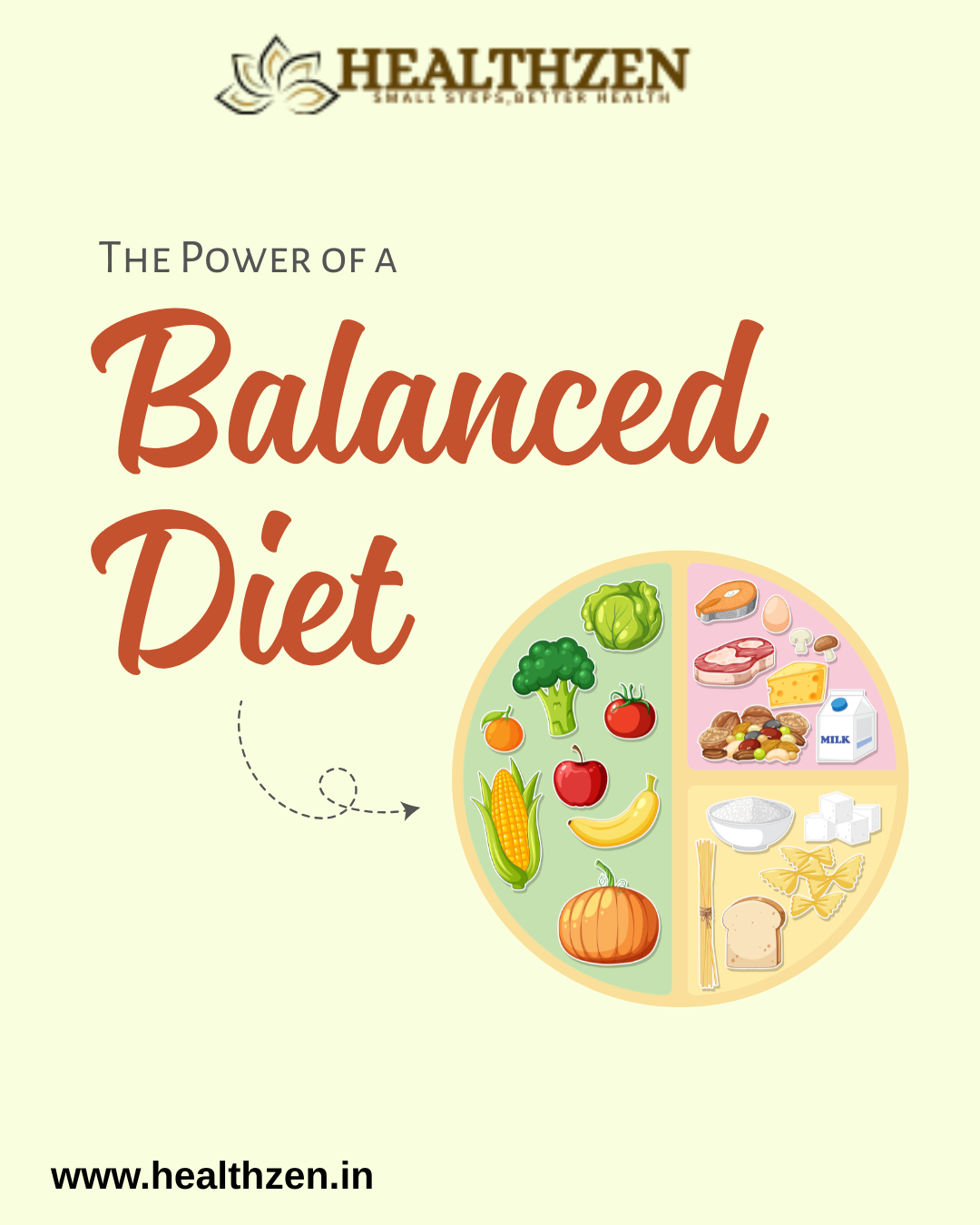
The thyroid gland plays an important role in controlling metabolism, energy, mood, and overall body functions. When the thyroid becomes unbalanced, it can lead to problems like hypothyroidism or hyperthyroidism. Along with medical treatment, following the right diet for thyroid patients can help support better health and improve daily energy levels.
Many people often ask what to eat in thyroid problem and which foods should be avoided. A healthy eating routine with balanced nutrients, vitamins, and minerals can naturally support thyroid function and hormone balance.

Understanding Thyroid and Nutrition
The thyroid gland needs proper nutrition to produce hormones effectively. Certain foods can support thyroid health, while others may interfere with hormone production or worsen symptoms. Including natural and healthy meals in your routine may also help in understanding how to reduce thyroid level by food in a supportive way.
A balanced thyroid diet should include:
- Protein-rich foods
- Fiber-rich vegetables
- Healthy fats
- Selenium and zinc-rich foods
- Proper hydration
- Natural hormone balancing foods
Foods to Eat for Thyroid Health
1. Foods Rich in Iodine for Thyroid
Iodine is one of the most important minerals for thyroid hormone production. Including foods rich in iodine for thyroid may support healthy thyroid function.
Some iodine-rich foods include:
- Seaweed
- Dairy products
- Eggs
- Yogurt
- Iodized salt in moderate amounts
- Fish like tuna and salmon
However, excess iodine may also affect thyroid health, so balance is important.
2. Selenium-Rich Foods
Selenium helps protect the thyroid gland from damage and supports hormone conversion.
Good sources include:
- Brazil nuts
- Sunflower seeds
- Brown rice
- Chicken
- Mushrooms
3. Zinc and Iron Rich Foods
Zinc and iron help maintain proper thyroid hormone levels.
Add foods like:
- Pumpkin seeds
- Lentils
- Beans
- Spinach
- Lean meat
4. Healthy Fruits and Vegetables
Fresh fruits and vegetables provide antioxidants and fiber that support digestion and metabolism.
Best options include:
- Apples
- Berries
- Carrots
- Cucumbers
- Sweet potatoes
- Bell peppers
These are also excellent hormone balancing foods that support overall wellness.
5. Protein for Better Energy
Protein helps improve metabolism and keeps you full longer.
Healthy protein options include:
- Eggs
- Paneer
- Greek yogurt
- Fish
- Chicken
- Tofu
Including protein in every meal is beneficial for people looking for a healthy diet for thyroid patients.
Foods to Avoid for Thyroid Patients
Certain foods may interfere with thyroid hormone production or worsen symptoms. Knowing the right foods to avoid for thyroid patients can help manage thyroid problems more effectively.
1. Processed and Junk Foods
Highly processed foods contain unhealthy fats, excess sugar, and sodium that may increase inflammation and weight gain.
These are considered common foods bad for thyroid because they can negatively affect metabolism.
Avoid:
- Chips
- Packaged snacks
- Fast food
- Sugary drinks
- Bakery items
2. Excess Soy Products
Soy may interfere with thyroid medication absorption when consumed in excess.
Examples include:
- Soy milk
- Soy chunks
- Tofu in large amounts
Moderation is key when considering foods to avoid in thyroid conditions.
3. Refined Sugar
Too much sugar may worsen fatigue and weight gain, especially in hypothyroidism.
Reduce intake of:
- Candy
- Cakes
- White sugar
- Sweetened beverages
4. Fried and Oily Foods
Deep-fried foods can slow metabolism and increase inflammation.
Avoid:
- French fries
- Fried snacks
- Fast food burgers
- Heavy oily meals
These are also listed among common foods bad for thyroid.
Hypothyroidism Foods to Avoid
People with hypothyroidism often experience slow metabolism, fatigue, and weight gain. There are certain hypothyroidism foods to avoid for better thyroid management.
These include:
- Excess cabbage and cauliflower (especially raw)
- Excess gluten if sensitive
- Highly processed foods
- Sugary desserts
- Excess alcohol
Cooking cruciferous vegetables can reduce their thyroid-interfering effects.
Hyperthyroidism Foods to Avoid
In hyperthyroidism, the thyroid becomes overactive. Managing diet carefully is important because some foods may increase hormone production.
Common hyperthyroidism foods to avoid include:
- Excess iodine-rich foods
- Seaweed in large amounts
- Caffeinated drinks
- Energy drinks
- Spicy foods if they worsen symptoms
Reducing caffeine may help control anxiety, rapid heartbeat, and restlessness linked to hyperthyroidism.
Sample Diet for Thyroid Patients
Here is a simple daily meal plan idea:
Breakfast
- Oats with fruits and nuts
- Boiled eggs or yogurt
- Herbal tea
Mid-Morning Snack
- Apple or banana
- Handful of seeds
Lunch
- Brown rice or chapati
- Dal or grilled chicken
- Mixed vegetables
- Salad
Evening Snack
- Green tea
- Roasted makhana or nuts
Dinner
- Soup with vegetables
- Paneer or fish
- Light salad
This simple routine can support those searching for what to eat in thyroid problem while maintaining balanced nutrition.
Lifestyle Tips for Thyroid Patients
Along with healthy eating, lifestyle habits also matter.
Exercise Regularly
Walking, yoga, and light workouts help improve metabolism and energy levels.
Stay Hydrated
Drinking enough water supports digestion and hormone function.
Sleep Properly
Poor sleep may worsen hormone imbalance and fatigue.
Reduce Stress
Meditation and yoga can naturally support thyroid health and emotional wellness.
Conclusion
Managing thyroid problems becomes easier with the right food choices and healthy habits. A balanced diet for thyroid patients should include nutrient-rich meals, proteins, vegetables, and natural hormone balancing foods while limiting processed and unhealthy items.
Understanding foods to avoid for thyroid patients, including hypothyroidism foods to avoid and hyperthyroidism foods to avoid, can help improve overall health and energy. Choosing healthy meals and learning how to reduce thyroid level by food naturally may support better thyroid balance over time.
By following a nutritious routine and maintaining an active lifestyle, thyroid patients can improve their wellness and feel healthier every day.
Disclaimer :- This content is for general informational and educational purposes only and is not a substitute for professional medical advice.
Always consult a qualified healthcare professional before making decisions about your health or treatment.