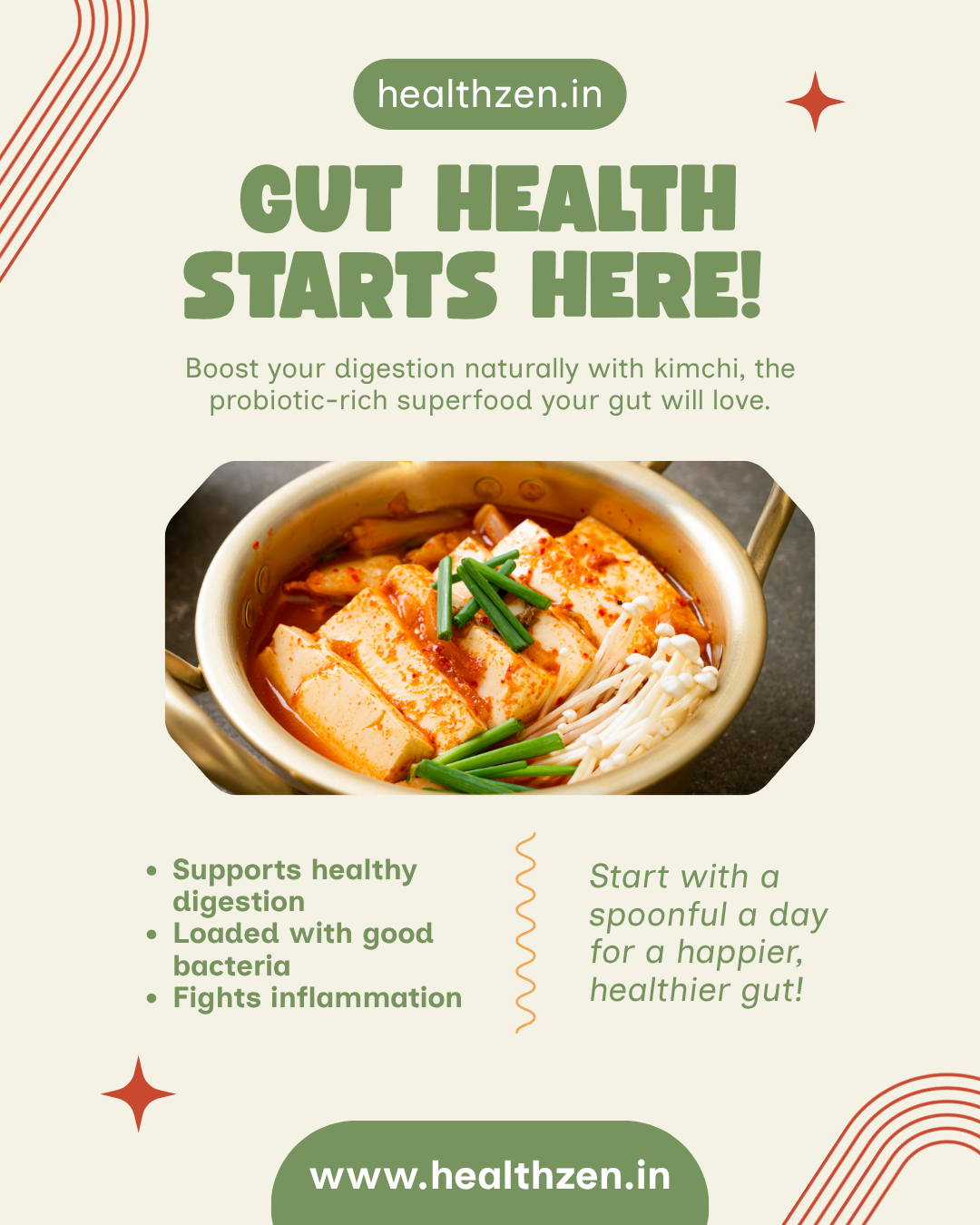
In recent years, the importance of gut health has become a major focus in the world of nutrition and wellness. Scientists now understand that a healthy gut does much more than digest food. Your digestive system plays a vital role in immunity, energy levels, mental well-being, and overall health. That’s why many health experts recommend including gut health foods in your daily diet to support long-term wellness.
If you’re looking to improve digestion, strengthen your immune system, and feel healthier naturally, this guide will introduce the best foods for gut health and explain how they can transform your well-being.

Why Gut Health Matters
The gut contains trillions of bacteria, collectively known as the gut microbiome. These beneficial microorganisms help break down food, absorb nutrients, produce vitamins, and support immune function. When the balance of gut bacteria is disrupted, it can lead to digestive issues, fatigue, inflammation, and other health concerns.
A well-planned gut health diet focuses on nourishing these beneficial bacteria through proper gut health nutrition and smart food choices. By eating the right foods consistently, you can create a healthier digestive environment and improve your overall quality of life.
The Best Foods for Gut Health
Choosing the best foods for gut health is one of the simplest ways to support digestion and overall wellness. These foods provide essential nutrients, beneficial bacteria, and dietary fiber that promote a balanced gut microbiome.
1. Yogurt
Yogurt is one of the most popular gut health foods because it contains probiotics, which are beneficial bacteria that support digestive health. Regular consumption of yogurt may help maintain a healthy balance of gut microorganisms and improve digestion.
2. Kefir
Kefir is a fermented milk drink packed with probiotics and nutrients. It is considered one of the most effective fermented foods for gut health because it contains a wide variety of beneficial bacterial strains that support digestive wellness.
3. Sauerkraut and Kimchi
These traditional fermented foods are rich in probiotics and antioxidants. Including sauerkraut or kimchi in your meals can increase the diversity of healthy bacteria in your digestive system and provide powerful gut healing foods that support overall health.
4. Bananas
Bananas are excellent prebiotic foods that feed the good bacteria in your gut. They also contain fiber, which supports regular bowel movements and promotes better digestion.
The Power of Fiber-Rich Foods
One of the most important components of a healthy gut diet is dietary fiber. Fiber serves as food for beneficial gut bacteria and helps maintain digestive regularity.
Some of the best fiber rich foods include:
- Oats
- Apples
- Pears
- Lentils
- Beans
- Chickpeas
- Whole grains
- Flaxseeds
- Chia seeds
- Broccoli
These digestive health foods support a thriving gut microbiome while helping to reduce digestive discomfort and promote overall wellness.
Fermented Foods for Gut Health
Fermentation is a natural process that increases the presence of beneficial bacteria in food. Consuming fermented foods for gut health regularly can help replenish healthy gut bacteria and support digestive balance.
Popular fermented foods include:
- Yogurt
- Kefir
- Kimchi
- Sauerkraut
- Miso
- Tempeh
- Pickled vegetables
These foods that improve gut health can enhance digestion and contribute to a stronger immune system.
The Importance of Prebiotic Foods
While probiotics introduce beneficial bacteria into the gut, prebiotic foods help those bacteria thrive. Prebiotics are types of fiber that feed healthy gut microbes and support their growth.
Some excellent prebiotic foods include:
- Garlic
- Onions
- Leeks
- Asparagus
- Bananas
- Oats
- Apples
- Chicory root
Adding these foods to your gut health diet can improve microbial diversity and strengthen digestive function naturally.
Building a Healthy Gut Diet
Creating a healthy gut diet doesn’t require complicated meal plans or expensive supplements. Instead, focus on consuming a variety of whole foods that support digestive wellness.
A balanced gut health nutrition plan should include:
- Plenty of fruits and vegetables
- Whole grains
- Lean proteins
- Healthy fats
- Fermented foods
- Prebiotic-rich ingredients
- Adequate hydration
By combining these gut friendly foods, you can support healthy digestion while nourishing your body with essential nutrients.
Best Foods for Digestion
If you frequently experience bloating, indigestion, or digestive discomfort, certain foods may help improve your symptoms naturally. Some of the best foods for digestion include:
- Ginger
- Papaya
- Yogurt
- Oatmeal
- Bananas
- Kefir
- Peppermint tea
- Leafy green vegetables
These digestive health foods help support healthy digestion while promoting nutrient absorption and gut comfort.
Healthy Eating Habits for Better Gut Health
Along with choosing the right foods, practicing healthy eating habits is essential for maintaining digestive wellness.
Here are some simple habits that can improve gut health:
Eat Slowly
Taking time to chew your food properly supports digestion and nutrient absorption.
Stay Hydrated
Water helps move food through the digestive system and supports healthy bowel function.
Reduce Processed Foods
Highly processed foods can negatively affect gut bacteria and contribute to digestive problems.
Include Variety
A diverse diet provides different nutrients that help support a healthy gut microbiome.
Manage Stress
Chronic stress can affect digestion and gut health. Activities such as walking, meditation, and adequate sleep can support overall wellness.
Foods That Improve Gut Health Naturally
The most effective foods that improve gut health are those that combine fiber, probiotics, and essential nutrients. A diet rich in fruits, vegetables, whole grains, and fermented foods can significantly improve digestive function and overall well-being.
By regularly consuming gut healing foods, gut friendly foods, and nutrient-dense digestive health foods, you can create a strong foundation for long-term health.
Conclusion
Your digestive system plays a central role in your overall wellness. By focusing on gut health foods, incorporating fermented foods for gut health, choosing prebiotic foods, and increasing your intake of fiber rich foods, you can naturally support digestion, immunity, and energy levels.
A balanced gut health diet built around the best foods for gut health not only improves digestion but also contributes to better physical and mental well-being. Combine these food choices with consistent healthy eating habits, and you’ll be well on your way to building a healthier gut and a healthier life.
Disclaimer:-This content is for general informational and educational purposes only and is not a substitute for professional medical advice.
Always consult a qualified healthcare professional before making decisions about your health or treatment.