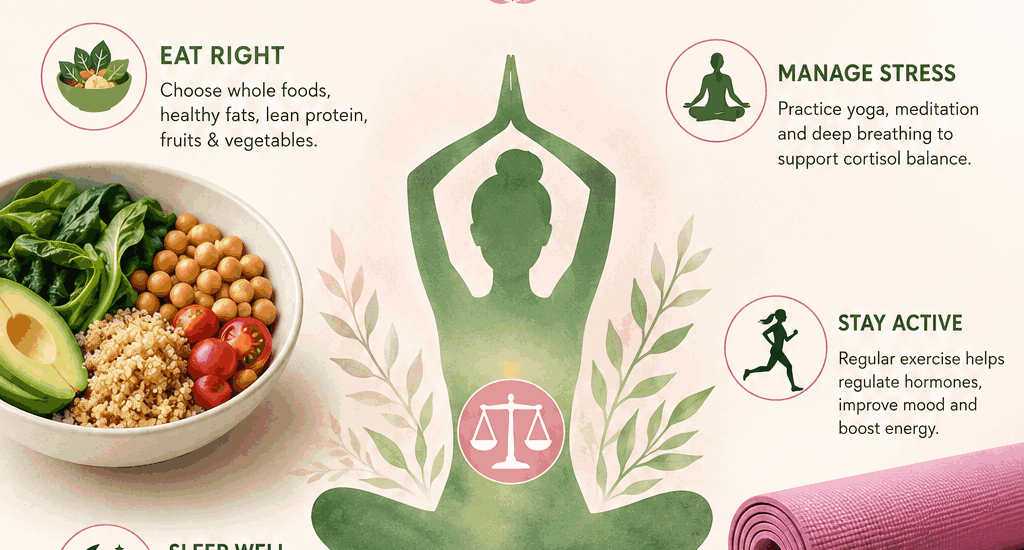
Hormones are chemical messengers that help regulate many important functions in the body, including metabolism, mood, sleep, energy, growth, and reproduction. For women, hormone changes can also influence menstrual health and reproductive health. When hormone levels change, symptoms such as irregular periods, tiredness, mood changes, acne, or sleep problems may occur.
If you’re wondering how to balance hormones, it’s important to understand that there is no single food, drink, or home remedy that can instantly restore hormone levels. However, healthy nutrition, regular physical activity, adequate sleep, and stress management can support overall hormone health.hormone health
What Does Hormone Balance Mean?
Hormone balance doesn’t necessarily mean keeping every hormone at one fixed level. Hormones naturally change throughout the menstrual cycle and during different stages of life.
Hormones such as estrogen, progesterone, insulin, thyroid hormones, and cortisol all have different roles. Supporting hormone balance naturally means adopting healthy habits that help your body function properly.
If you have persistent symptoms of hormonal imbalance, a healthcare professional can help determine whether an underlying condition is responsible.

How to Naturally Balance Hormones Through Diet
Nutrition is an important part of supporting overall hormone health. A balanced eating pattern provides the protein, fiber, healthy fats, vitamins, and minerals your body needs.
A nutritious diet for hormonal balance should include vegetables, fruits, whole grains, legumes, protein sources, nuts, seeds, and healthy fats.
Foods to Balance Hormones
There is no specific food proven to “balance” all hormones. However, nutrient-rich foods can support normal body functions. Some useful choices include:
- Leafy green vegetables
- Berries and other colorful fruits
- Whole grains such as oats and brown rice
- Lentils, beans, and chickpeas
- Eggs, fish, tofu, and other protein sources
- Nuts and seeds
- Avocado and olive oil
- Yogurt or suitable fortified alternatives
These foods can form the foundation of a balanced diet.
Best Foods for Hormone Balance
When choosing the best foods for hormone balance, focus on variety rather than one “superfood.” Protein supports tissue maintenance, fiber supports digestive health, and healthy fats provide essential fatty acids.
Foods containing omega-3 fats, such as fatty fish, walnuts, and certain seeds, can be included as part of a balanced diet. Fruits and vegetables provide antioxidants and micronutrients that support overall health.
Instead of following restrictive diets, aim for regular, balanced meals that provide sufficient energy and nutrients.
How to Balance Female Hormones Naturally
Many people search for how to balance female hormones or how to balance hormones naturally in women. Healthy lifestyle habits can support normal hormone function, but the right approach depends on the individual.
For example, menstrual changes can have many possible causes, including stress, changes in eating patterns, intense exercise, PCOS, thyroid conditions, certain medications, and normal life-stage changes.
Supporting menstrual health includes eating adequately, getting enough sleep, staying physically active, and seeking medical advice when periods become unusually irregular or symptoms are concerning.
Exercise for Hormone Balance
Regular movement is an important part of overall health. Exercise for hormone balance can include walking, cycling, swimming, strength exercises, yoga, or other activities you enjoy.
A combination of aerobic activity and strength training can support cardiovascular fitness, muscle health, metabolic health, and mood.
However, more exercise is not always better. Excessive training combined with inadequate nutrition can negatively affect health and may contribute to menstrual changes in some people. The goal should be consistent, sustainable activity.
Yoga for Hormone Balance
Yoga for hormone balance is often discussed as a natural wellness approach. Yoga can include gentle movement, breathing exercises, and relaxation practices.
Although yoga should not be considered a treatment for a diagnosed hormonal disorder, regular yoga may support stress management, flexibility, physical activity, and relaxation.
Practices such as gentle stretching, mindful breathing, and relaxation can be incorporated into a healthy daily routine.
Supporting Cortisol Balance
Cortisol is a hormone involved in the body’s response to stress. It also helps regulate metabolism, blood pressure, and other functions.
Supporting cortisol balance doesn’t require special detoxes or supplements. Instead, focus on healthy habits such as maintaining a consistent sleep schedule, eating regular nutritious meals, staying active, and using stress-management techniques.
Chronic stress can affect sleep, mood, appetite, and overall well-being, so finding healthy ways to manage stress is an important part of hormone health.
Supporting Estrogen Balance
Estrogen naturally changes throughout the menstrual cycle and across different life stages. Therefore, having a particular estrogen level isn’t automatically a sign of good or poor health.
Supporting estrogen balance generally means maintaining overall health through adequate nutrition, physical activity, healthy sleep, and appropriate medical care.
If you experience persistent menstrual changes, hot flashes, unusual bleeding, or other concerning symptoms, speak with a healthcare professional rather than trying to change estrogen levels yourself.
Natural Remedies for Hormonal Imbalance
There are many products marketed as natural remedies for hormonal imbalance, including herbal supplements and special drinks. However, “natural” does not automatically mean safe or effective.
Before taking herbal products or hormone-related supplements, discuss them with a qualified healthcare professional. Some supplements can interact with medicines or may not be appropriate for certain health conditions.
Healthy lifestyle habits are generally a safer foundation for supporting overall wellness.
Best Diet for Hormone Balance: A Simple Daily Routine
A simple routine can make healthy eating easier:
Breakfast: Oatmeal with fruit, nuts, and yogurt or a suitable alternative.
Lunch: Whole-grain roti or rice with dal, vegetables, salad, and a protein source.
Snack: Fruit with nuts or seeds.
Dinner: Vegetables with beans, tofu, eggs, fish, or another protein source alongside whole grains.
Drink enough fluids throughout the day and limit excessive intake of highly processed foods and sugary drinks.
Final Thoughts
Learning how to naturally balance hormones starts with realistic, sustainable habits rather than quick fixes. A nutritious diet for hormonal balance, regular exercise for hormone balance, adequate sleep, stress management, and practices such as yoga for hormone balance can all contribute to overall well-being.
Remember that hormone levels naturally fluctuate, particularly during the menstrual cycle and different stages of life. If you experience persistent irregular periods, significant fatigue, unexplained changes in your health, or other ongoing symptoms, consult a qualified healthcare professional. Proper evaluation is important because hormonal symptoms can have many different causes.
Disclaimer: This article is for educational purposes only and should not replace professional medical advice, diagnosis, or treatment. Always consult a qualified healthcare professional for persistent symptoms or concerns about hormonal, menstrual, or reproductive health.