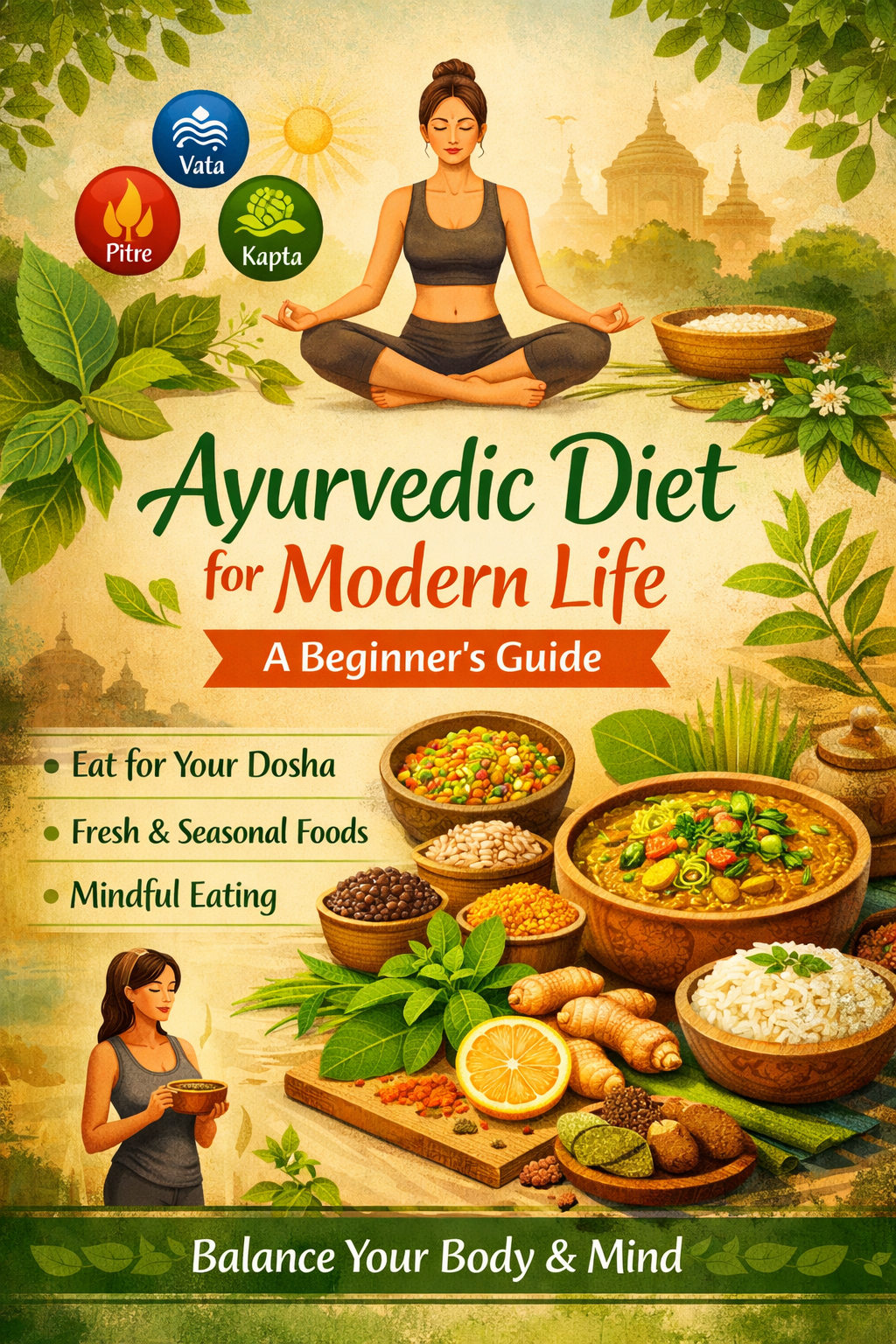
In today’s fast-paced world, where processed foods and irregular eating habits have become the norm, many people are turning back to ancient wisdom for better health. One such timeless approach is the Ayurvedic diet—a holistic system of nutrition rooted in India’s 5,000-year-old science of Ayurveda. Unlike modern diet trends that focus only on calories and nutrients, the Ayurvedic diet emphasizes balance, digestion, and harmony between the body and mind.
🧘 What is an Ayurvedic Diet?
The Ayurvedic diet is based on the principle that every individual is unique and requires a personalized approach to food. According to Ayurveda, our body is governed by three doshas (energies): Vata, Pitta, and Kapha. Each person has a unique combination of these doshas, and maintaining their balance is the key to good health.
Rather than following a one-size-fits-all diet plan, Ayurveda encourages you to eat according to your body type (dosha), season, and lifestyle. The focus is not just on what you eat, but also how, when, and why you eat.
🥗 Core Principles of the Ayurvedic Diet
1. Eat According to Your Dosha
Understanding your dosha helps you choose foods that suit your body. For example:
- Vata types benefit from warm, moist, and grounding foods.
- Pitta types should prefer cooling and less spicy foods.
- Kapha types do well with light, dry, and warming foods.
Balancing your dosha can improve digestion, boost energy, and prevent diseases.
2. Focus on Fresh and Natural Foods
Ayurveda strongly emphasizes eating fresh, seasonal, and locally sourced foods. Processed, packaged, and stale foods are considered harmful as they reduce the body’s natural energy (prana).
Include:
- Fresh fruits and vegetables
- Whole grains like rice and wheat
- Natural spices like turmeric, cumin, and ginger
Avoid:
- Processed foods
- Excess sugar and refined oils
- Artificial additives
3. Prioritize Digestion (Agni)
In Ayurveda, digestion (Agni) is considered the foundation of health. Even the healthiest food can become toxic if not digested properly.
Tips to improve digestion:
- Eat warm, freshly cooked meals
- Avoid overeating
- Do not eat when stressed or distracted
- Drink warm water instead of cold beverages
4. Follow a Proper Eating Routine
Consistency in meal timing is crucial in Ayurveda. Eating at irregular hours can disturb your digestion and dosha balance.
Ideal routine:
- Breakfast: Light and nourishing
- Lunch: Main meal of the day (strongest digestion)
- Dinner: Light and early (before 8 PM)
5. Practice Mindful Eating
Ayurveda encourages mindful eating, which means being fully present while eating.
Simple habits:
- Eat slowly and chew properly
- Avoid mobile phones or TV during meals
- Appreciate the taste, texture, and aroma of food
This improves digestion and helps prevent overeating.
🌿 Benefits of an Ayurvedic Diet
Adopting an Ayurvedic diet can bring numerous long-term benefits:
- ✅ Improved digestion and metabolism
- ✅ Better energy levels throughout the day
- ✅ Natural weight management
- ✅ Stronger immunity
- ✅ Reduced stress and better mental clarity
Unlike crash diets, Ayurveda focuses on sustainable and balanced living.